A gardener and herbalist on a journey through life, growing and wildcrafting her own food and medicine. Trusting in the Lord, through health issues, overload of stress, and busy life, shares ideas and recipes that can help you pare down and heal too.
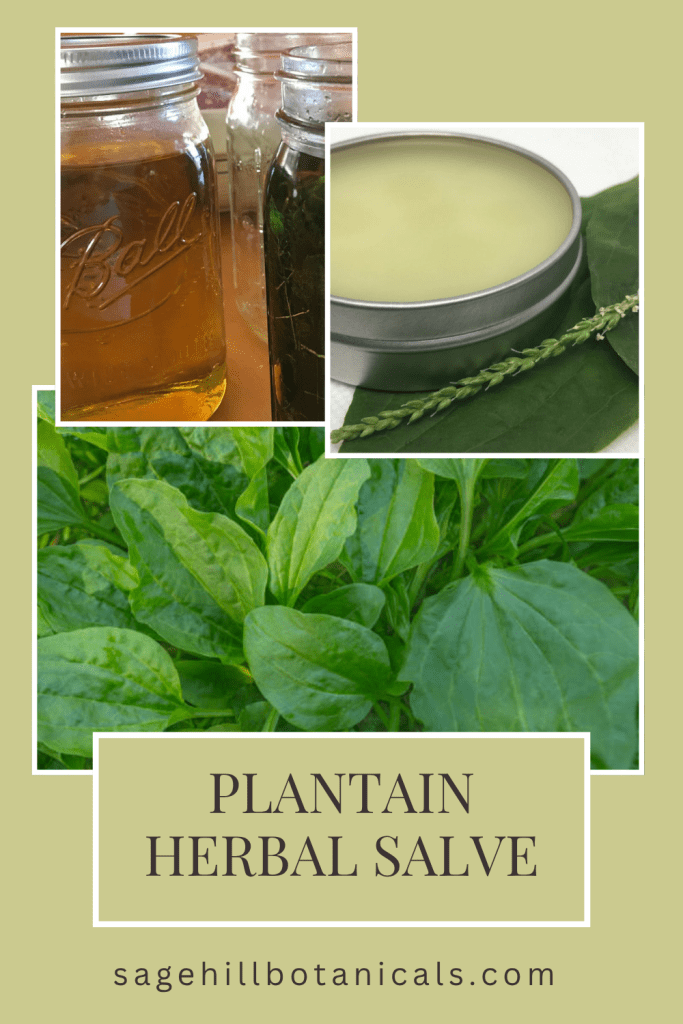
Plantain, not the banana, but Plantago major. Plantain is a versatile medicinal plant known for its wound healing, anti-inflammatory, antimicrobial, and digestive-supporting properties. I use plantain for rashes when seasonal allergies show themselves. I usually get a rash on my hands, arms, and lower legs in the spring, just when I have a lot of garden work to do. So, I harvest a handful of plantain leaves, dry them a couple of days to reduce the water content, and cover them in coconut or olive oil in a glass jar for several weeks. I know the rash is coming, so I have this started long before I really need it. I use the finished plantain oil infusion as is, but beeswax can be added to make a salve as in the photo. I have finished plantain herbal salve in my shop if you need some too. I also have dried plantain leaves from my garden for infusions and tea making as well. Shop HERE
Join the fun!
Stay updated with our latest emails.






You must be logged in to post a comment.