
Wood betony (Stachys officinalis) is a traditional herbal remedy valued for its calming effects on the nervous system, digestive support, pain relief, and mild anti-inflammatory properties. Wood betony is a hardy perennial with vibrant purple blooms, making it both a medicinal and ornamental plant.

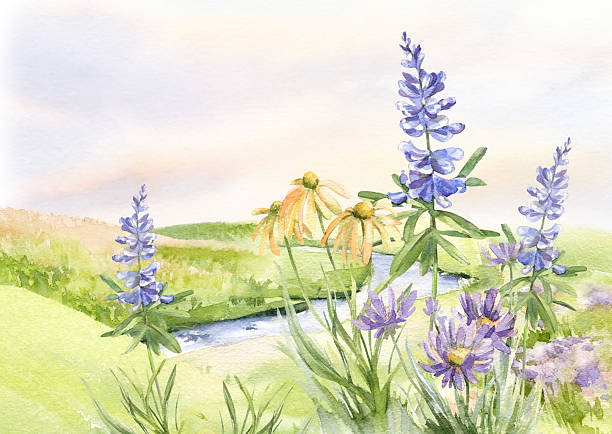
Wood betony can be identified by its clumping growth, square stems, serrated leaves, and spikes of tubular flowers, with color and size varying by species. The leaves are deep green, leathery, wrinkled with serrated margins. Basal leaves are broadly ovate wide, and stem leaves ovate with petioles.
The flowers are upright spikes of tubular, bright pink to purple flowers, tightly clustered along the spike. Each flower is 1–2.5 cm long, with a mild scent, blooming late spring to early summer.
The stems are square with fine hairs (pilose texture) and vertical ridges, typical of the mint family.
Wood betony prefers meadows and woodlands, often cultivated in gardens for medicinal or ornamental purposes. But it can be grown from seeds for your garden.

Medicinal Benefits
While modern clinical evidence is limited, its long history in traditional herbal medicine and its bioactive compounds provide a credible basis for its use in supporting nervous, digestive, and systemic wellness.
Nervous System Support
Wood betony is highly valued as a nervine, meaning it calms the nervous system, reduces anxiety, stress, and nervous tension, and promotes restful sleep. It can help alleviate emotional agitation, fear, worry, and panic, and is often used to relieve headaches and migraines caused by stress or nervous strain. Traditional herbalists also recommend it for emotional trauma and dissociation, providing grounding and comfort.
Digestive Health
The herb has carminative and mild antispasmodic properties, which help relieve bloating, stomach aches, colic, and uterine cramping. It supports healthy digestion and can ease discomfort caused by nervous tension or anxiety. Wood betony tea or infusions are commonly used to soothe digestive upset and maintain regularity.
Pain Relief and Anti-Inflammatory Effects
Wood betony contains tannins, flavonoids, and phenolic compounds that contribute to its antioxidant, anti-inflammatory, and astringent effects. It can relieve headaches, muscle aches, joint pain, and mild inflammatory conditions. Poultices made from the herb can promote wound healing, reduce bruising, and support tissue repair.
Respiratory and Oral Health
Traditionally, wood betony has been used to treat colds, coughs, asthma, and other respiratory issues. Its infusions can also serve as a gargle or mouthwash to relieve throat irritation, mouth sores, and gum problems.

Preparation and Use
The leaves and flowering tops are the parts most commonly used. They are usually harvested when the plant is in bloom and then dried for tea, tincture, infused oil, or compress preparations. A typical herbal tea is made by brewing 1–2 teaspoons of dried leaves or flowering tops in a cup of water for 5 minutes, taken 1–3 times daily. It can also be combined with other herbs to enhance its effects, such as skullcap for nervous headaches, yarrow for nosebleeds, or comfrey for congestion and sinus issues.
Side Effects
Wood betony is generally safe in moderate use, but overuse can cause digestive upset, drowsiness, or low BP. Avoid during pregnancy and breastfeeding, and be cautious if you have low BP, are on blood pressure medication, or have a mint allergy. Always consult a healthcare provider before use, especially if you have underlying health conditions or take other medications.







Leave a Reply