Sage Hill Botanicals

Herbal Hair Highlights

Herbal Hair Highlights

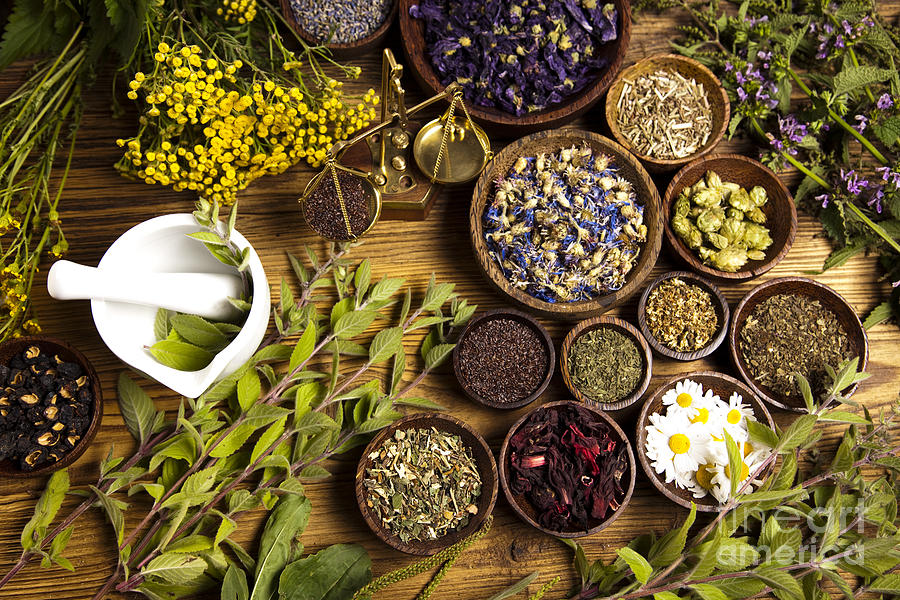
Herbal teas won’t dye your hair permanently like commercial dyes do, but over time, with regular use, your hair will have tinted highlights.  Herbal teas are safe to use, and there’s no harmful chemicals.

As an added bonus, herbal tea will get your hair in great condition.  See our post on Hair Treatment Herbs.

Please be aware that some people may be allergic to certain plant families, so a spot test is wise before using.

Use these herbs to highlight your color of hair.

Golden Highlights

  • Calendula
  • Chamomile
  • Lemon
  • Sunflower petals

Dark Highlights

  • Black Tea
  • Black Walnut hulls (crushed or chopped)
  • Comfrey root
  • Nettle
  • Rosemary
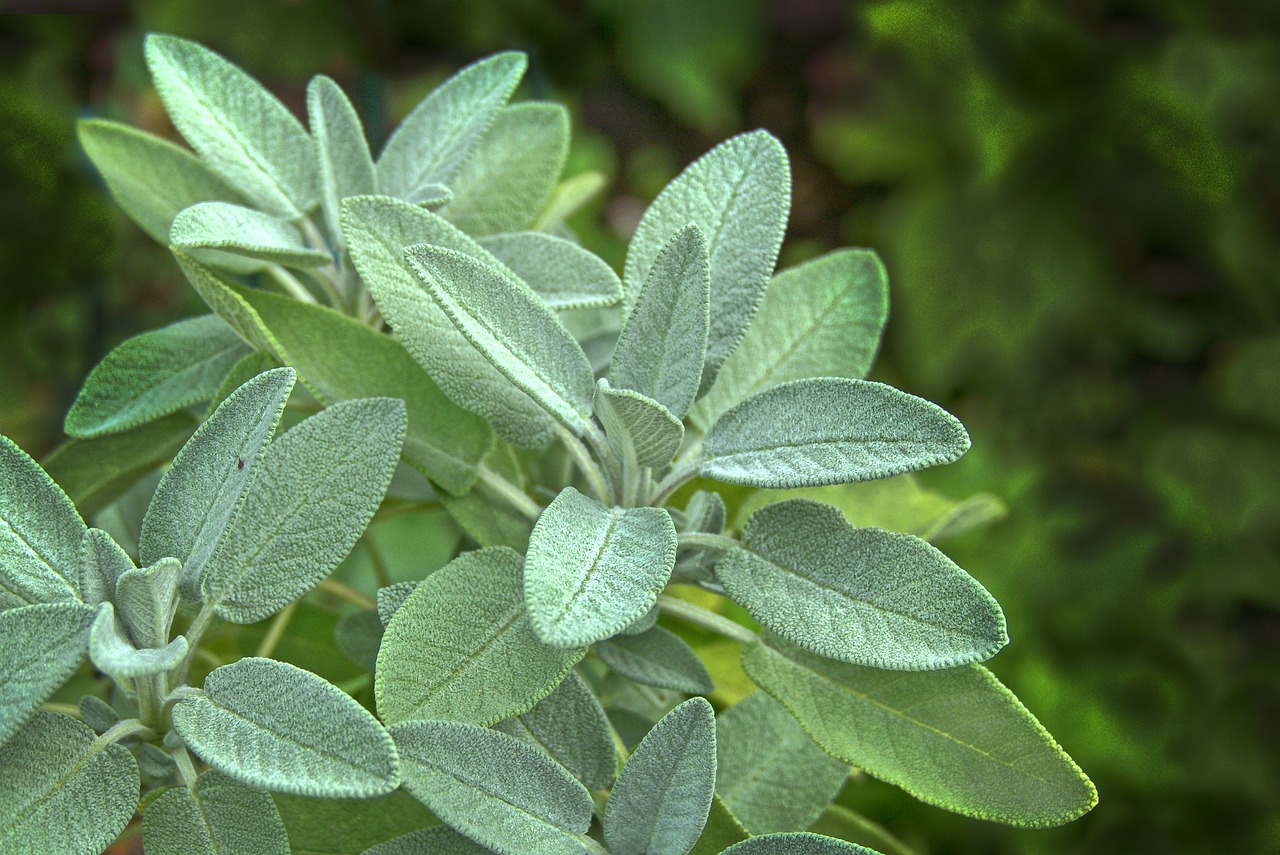
  • Sage

Red Highlights

  • Calendula
  • Henna
  • Hibiscus flowers
  • Red Clover flowers
  • Rose hips
  • Red Rose petals

Directions

Add 3 or more tablespoons to a glass jar, pour 2 cups boiling water over the herbs. Let sit overnight so the color will be at its brightest. Remove herbs, and it’s ready to use.

Wash hair, pour herbal tint over hair and message in well. If possible, leave on hair for an hour before rinsing out. You can also, place the tint in a spray bottle.

For best results, use once a week. Your hair may not show a difference the first time, but over time, the tint will built and you will see the highlights coming out.

Dry as usual.


Discover more from Sage Hill Botanicals

Subscribe to get the latest posts sent to your email.

2 responses to “Herbal Hair Highlights”

  1. […] See our post on Herbal Hair Highlights […]

  2. […] Herbal Hair Highlights […]

Leave a Reply

I’m Lisa

A gardener and herbalist on a journey through life, growing and wildcrafting her own food and medicine. Trusting in the Lord, through health issues, overload of stress, and busy life, shares ideas and recipes that can help you pare down and heal too.

Featured

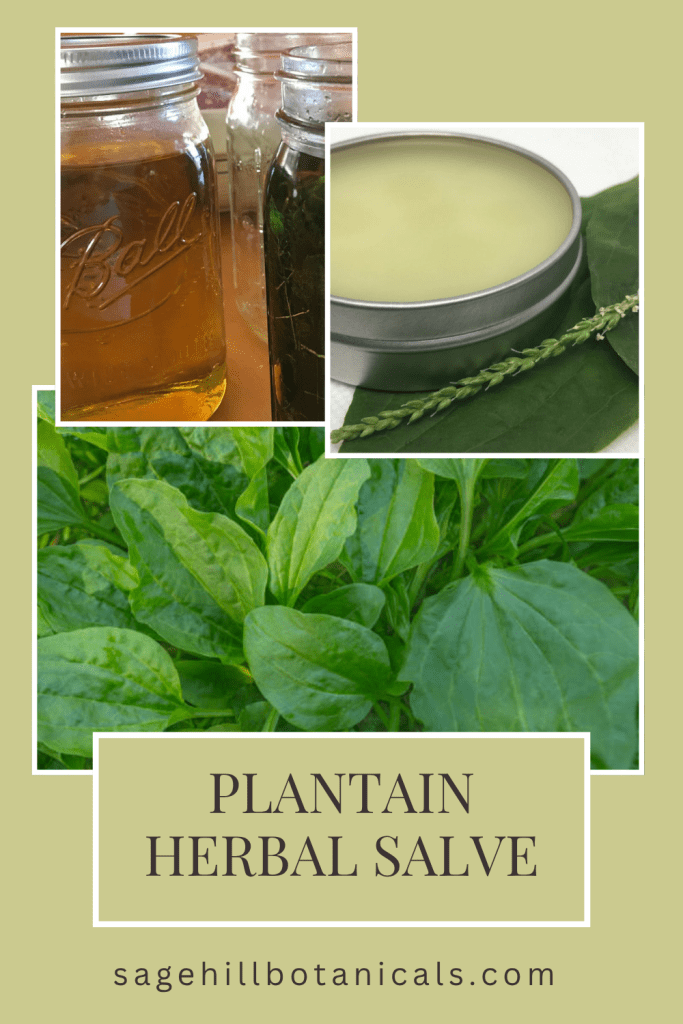
Plantain, not the banana, but Plantago major. Plantain is a versatile medicinal plant known for its wound healing, anti-inflammatory, antimicrobial, and digestive-supporting properties. I use plantain for rashes when seasonal allergies show themselves. I usually get a rash on my hands, arms, and lower legs in the spring, just when I have a lot of garden work to do. So, I harvest a handful of plantain leaves, dry them a couple of days to reduce the water content, and cover them in coconut or olive oil in a glass jar for several weeks. I know the rash is coming, so I have this started long before I really need it. I use the finished plantain oil infusion as is, but beeswax can be added to make a salve as in the photo. I have finished plantain herbal salve in my shop if you need some too. I also have dried plantain leaves from my garden for infusions and tea making as well. Shop HERE

Let’s connect

The Herb Letters, Monthly Story Letters and Botanical Art Prints
Lisa Ray Art, Watercolors and Photography

Discover more from Sage Hill Botanicals

Subscribe now to keep reading and get access to the full archive.

Continue reading

Discover more from Sage Hill Botanicals

Subscribe now to keep reading and get access to the full archive.

Continue reading