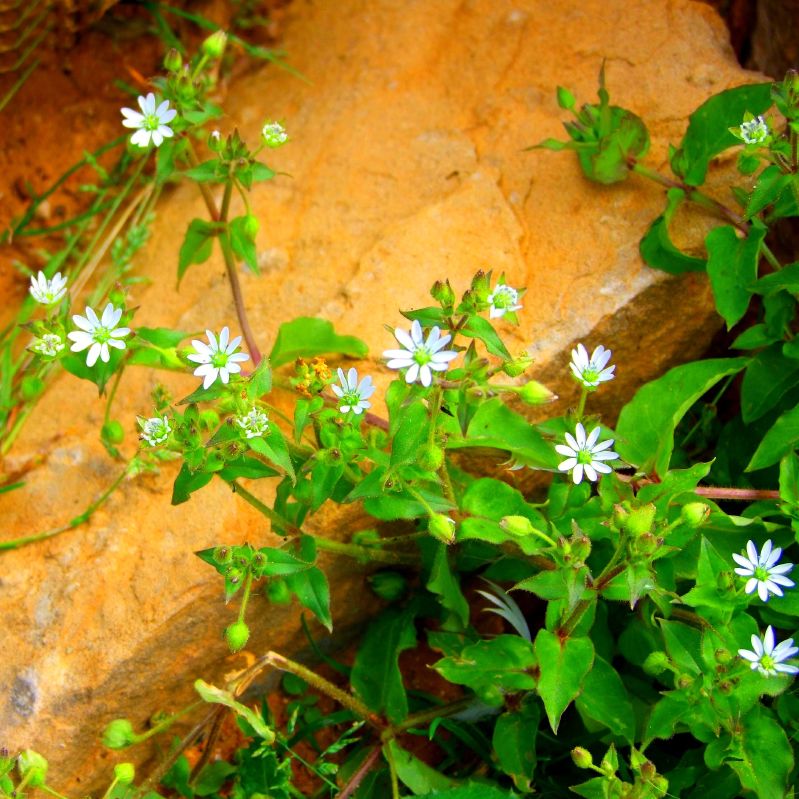
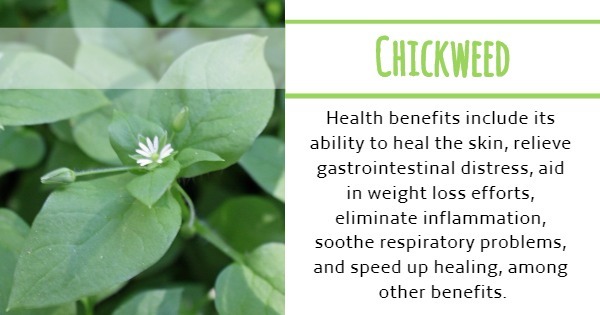
Chickweed (Stellaria media) is an annual plant native to Europe that has become naturalized in North America, where it is mostly considered a weed. However, to herbalists and practitioners of alternative medicine, chickweed is a potent and long-standing folk remedy believed to offer significant health benefits.
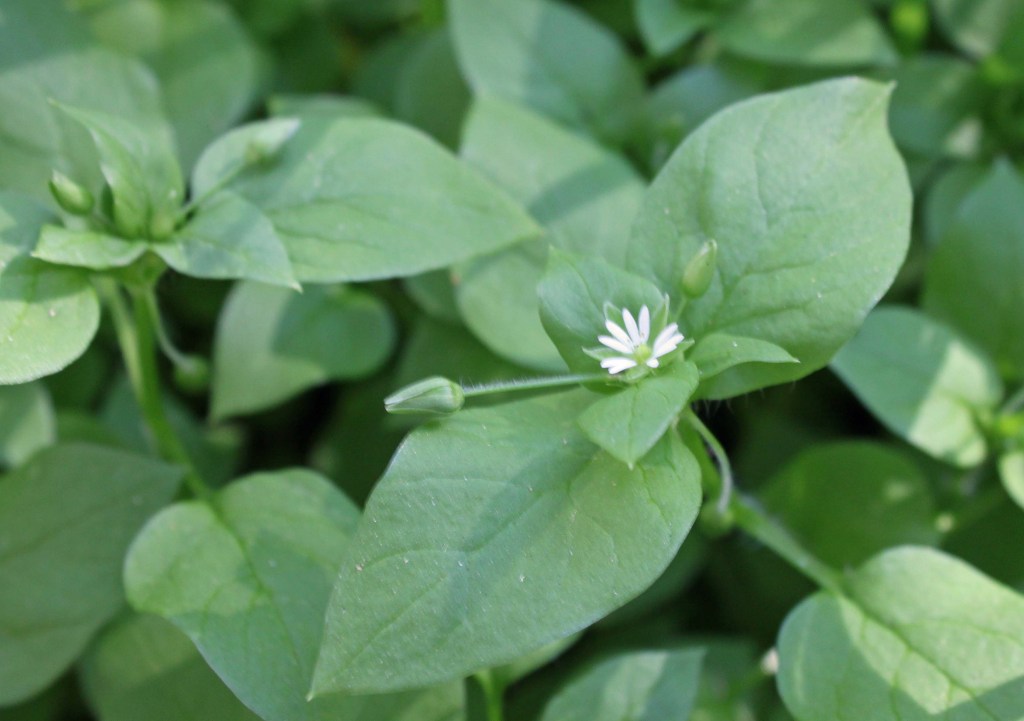
The flowers, leaves, and stems of chickweed have long been used to make oral decoctions, extracts, and teas. Today, chickweed is more commonly used in topical ointment form to treat a variety of skin conditions. But there’s more ways to receive chickweed health benefits.
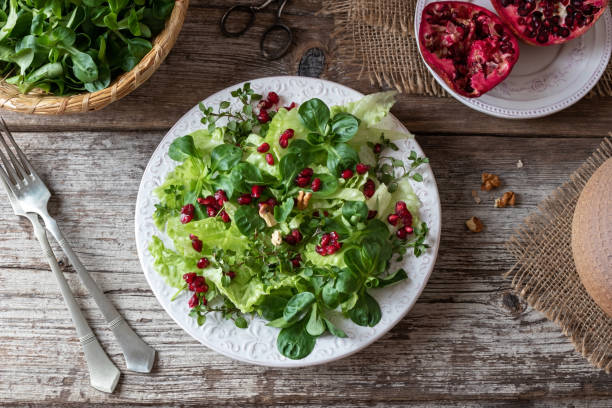
The consumption of chickweed in a salad or juiced is a great spring tonic. As a lymphatic and diuretic, chickweed decongests the lymphatic system and clears excess water from the body. Add fresh leaves to your salad for a beautiful presentation.
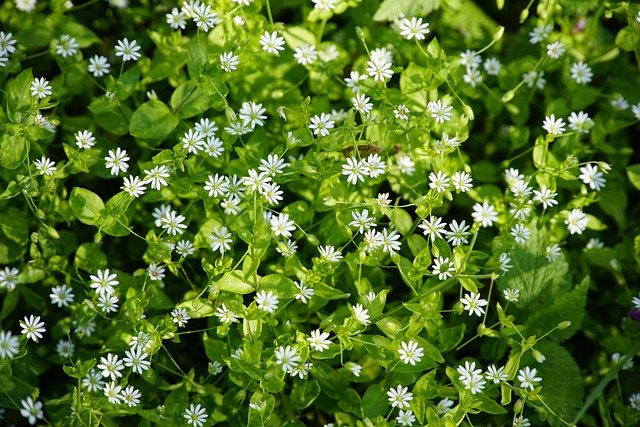
Chickweed is recognized by its hairy stems, oval leaves, and small, daisy-like blossoms with five crenelated petals.
Chickweed’s use in folk medicine has been recorded as far back as the 16th century, when it was often used to treat wounds. Over time, it was embraced as a “blood cleanser,” as well as used to treat asthma, constipation, menstrual pain, peptic ulcers, rabies, respiratory illnesses, and scurvy, among other common and uncommon conditions.
Harvest fresh leaves early spring along the creek bank. It grows in shady to part sunny areas. Enjoy the tiny leaves in a salad or fresh sitting by the creek. It makes a refreshing spring pick-me-up tonic after a long winter.
Use fresh chickweed to make chickweed salve for rashes, sores, boils, and other skin complaints. It’s hard to beat its healing properties.
You also dry it for teas later when the Chickweed is long gone when the sun become too hot for this cool weather plant.
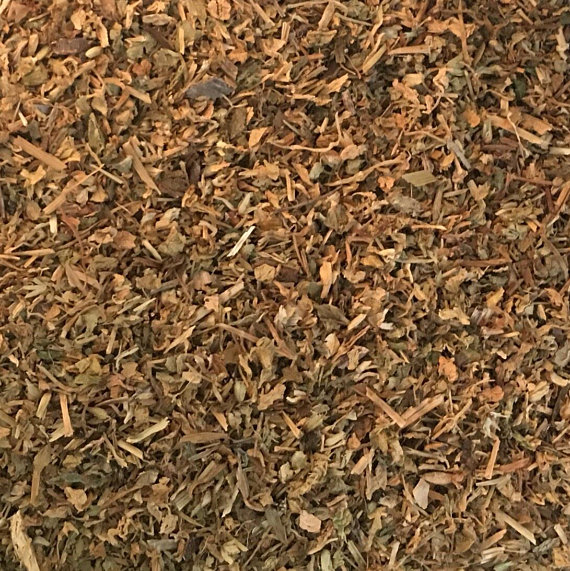
Dosage:
Standard dosing for chickweed is as follows:
Infusion (tea): Add 1 cup of hot water to 2 teaspoons of dried herb. Infuse for 5 minutes. Drink 1 cup, 3x per/day.
Tincture (1:5): 6-30 mL/day.
Capsule/Supplement: 1-3 g/day.
Liquid Extract (1:1): 3-15 mL/day.
Succus (Green Drink): Blend a handful of fresh chickweed and pineapple juice together and strain.
Poultice: Crush up fresh chickweed with a small amount of water and apply to skin irritations or small wounds.
Bath: Create a fresh-plant infusion and allow to steep for 20 to 30 minutes. Strain and add to bathwater to relieve itching.
Cuisine: Chop fresh chickweed leaves and add to pesto, soups, salads, or egg-based recipes.
Although various extracts are effective, fresh chickweed and water extracts exhibit the best results, according to herbalist David Hoffmann.
When taken internally, chickweed is a great natural medicine for most, but too much may cause issues in some, so that in mind, take it slow.
When used topically, chickweed is generally considered safe and well tolerated. However, some people exposed to chickweed have been known to develop a mild rash. People allergic to plants of the daisy family may be at higher risk.




 Sage Hill Botanicals
Leave a comment