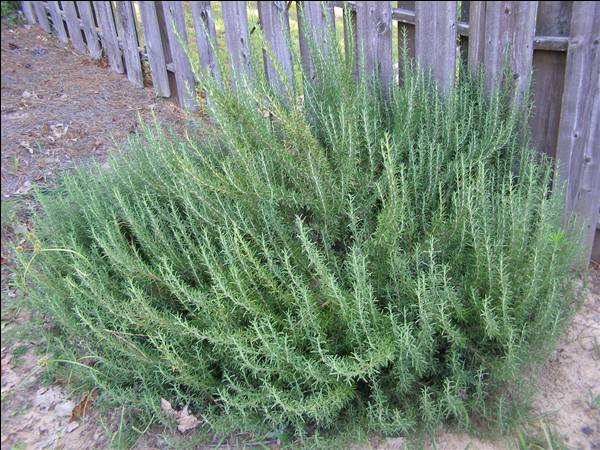
Native to the Mediterranean region, rosemary is one of the most commonly found herbs in a spice rack, and for good reason – not only does it have a wonderful taste and aroma, but also a wealth of beneficial health effects if regularly added to our diet. The scientific name of this perennial woody herb is Rosmarinus officinalis. Similar to many other useful herbs, rosemary is in the same taxonomic family as mint, but doesn’t have that characteristic flavor. It has a warmer, bitter, and more astringent taste that gives a wonderful flavor to soups, sauces, stews, roasts, and stuffing. It is particularly prevalent in Italian cultural cuisine.
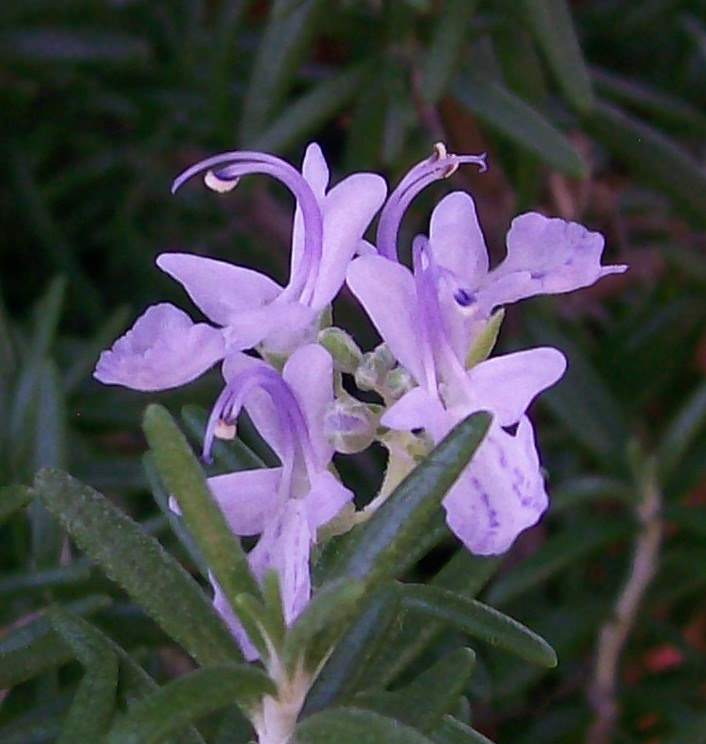
Rosemary is most commonly known as a cooking herb, but it can also be used as an ornamental shrub. There are two main types of rosemary plants, the upright varieties and the creeping varieties. Both offer evergreen leaves, fragrant foliage and edible flowers.
Our little dog Rocky loved Rosemary. He used to stick his whole head inside the bush, and inhale deeply. He did this several times a day, so our, and his Rosemary become Rocky’s Rosemary. Wish I had a photo to share since he’s no longer here to enjoy his Rosemary.

Medicinal Benefits
The most interesting health benefits of rosemary include its ability to boost memory, improve mood, reduce inflammation, relieve pain, protect the immune system, stimulate circulation, detoxify the body, protect the body from bacterial infections, prevent premature aging, and heal skin conditions.

How To Grow Rosemary
Rosemary is a very easy plant to grow. An established plant’s stems with lay over on the ground and root, and you can transplant this roots stems to other spaces in your garden. Or better yet, share them with a gardening friend. You can also start with cutting from another plant or buy a plant from your local garden center.
Rosemary grows well in pots and in the ground. They are a wonderful plant in incorporate in the garden because of the beautiful green of the leaves. Plant the Rosemary plants in well-drained soil in full sun. In cold winters, plant in pots and bring inside. Water when soil is very dry and that’s about it. You can clip ends for cooking as needed when the plant is well established.
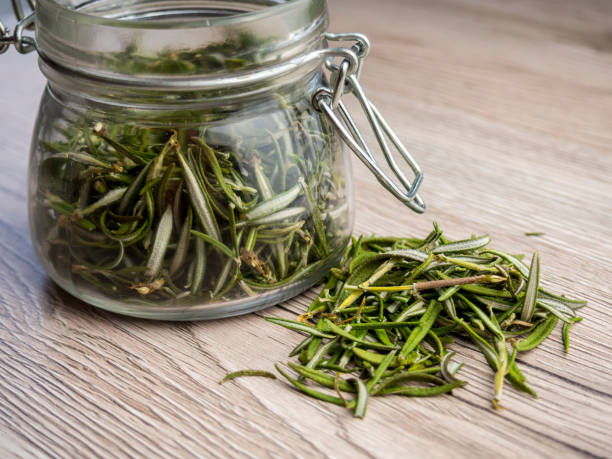
Not into growing your own Rosemary? That’s okay, you can use dried Rosemary instead. Dried leaves are a bit stronger and lasts for several years after it has dried. Store in a glass jar in a dark place to retain color.
Cooking With Rosemary
Cooking with Rosemary is a matter of taste. Some hate but most love it. You can use it fresh or dried. Here are some great ways to use Rosemary in your favorite recipes.
- Vegetables: asparagus, broccoli, cauliflower, eggplant, green beans, onion, peas, potato, and zucchini
- Seafood: halibut, trout, scallops, shrimp, trout, and white fish
- Meat and Poultry: chicken, ham, lamb, herring, steak, venison, turkey, and veal
- Soups and Sauces: beans such as white bean, butter, hearty vegetable, split pea, and tomato
- Dairy: cheese both strong and mellow, frittata, omelet, and soufflé
- Legumes and Grains: herbed breads, rolls, biscuits, lentils, risotto, white beans or cannellini beans
- Fruit and Dessert: apple, apricot, fig, grape, pear, pineapple, plum
If you want to use only the leaves, strip the small green leaves off the stem from tip to base to cook with Rosemary. Using an herb striper like this one is great for getting the leaves off the stem without getting your fingers sticky. You can also use the whole stem.
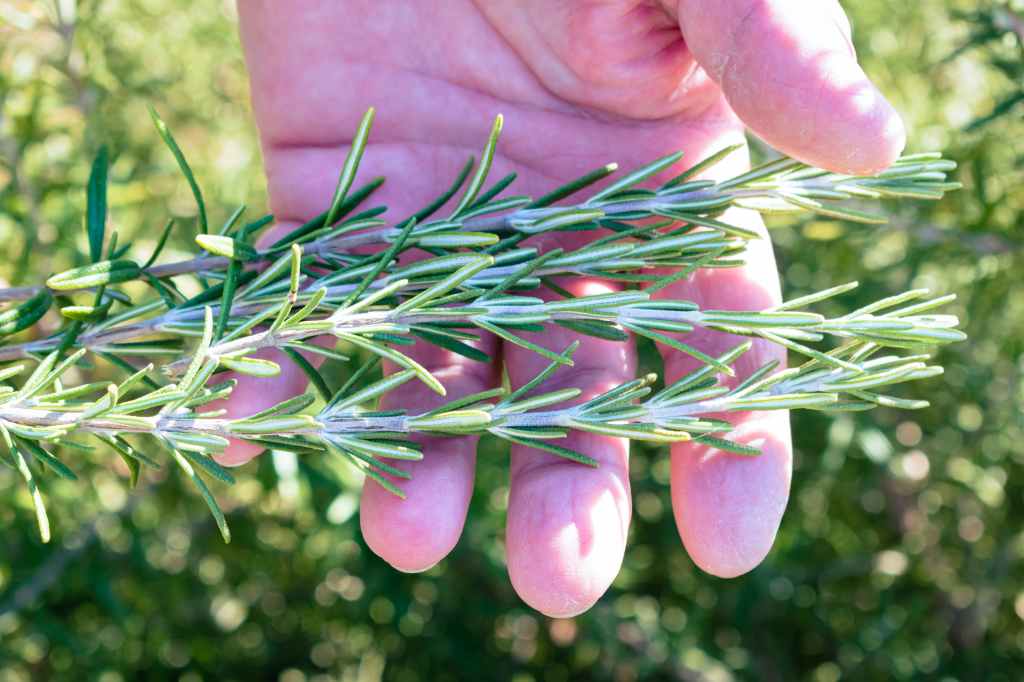
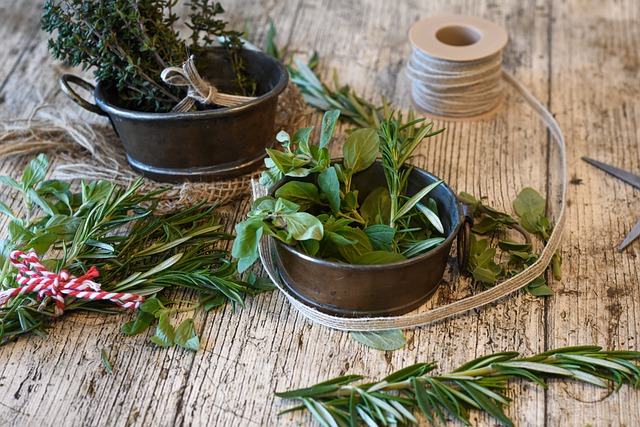
I often, in the summer cut several Rosemary sprigs along with other herbs. I tie them in small bundles and hang them in the kitchen near the stove. Rosemary has a lovely pine scent that lingers in the air when I cook. Having herbs near, it’s easy to snip a few leaves and toss them in the pot.






 Sage Hill Botanicals
Leave a comment